
Tom White’s Investigation
Killers of the Flower MoonThis flow follows Tom White’s effort to turn a compromised, confused investigation into a prosecutable case against the men targeting the Osage.
increasing Bearing strength in each event
 decreasing
Bearing strength in each eventdecreasingA Bureau in Trouble
A Bureau in Trouble
A Failed Federal Probe
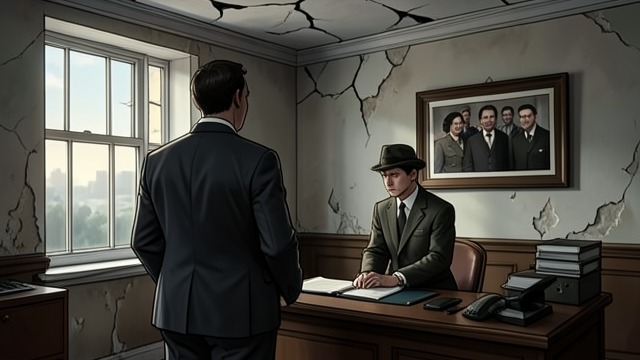
Earlier Bureau efforts have stalled, and a released informant has escaped supervision and committed further crimes. Criticism from Oklahoma threatens the young director’s authority and the Bureau’s reputation.
A New Assignment
John Edgar Hoover summons Thomas B. White and orders him to take charge. White understands that failure could end his career and that the people around the investigation may be in danger.
Building an Undercover Team
Building an Undercover Team
Fieldwork Under Threat
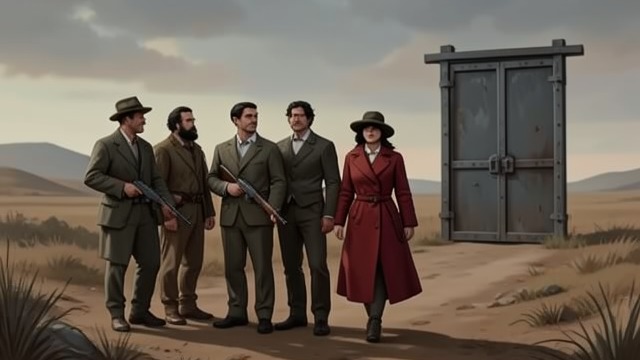
White gathers veteran agents capable of operating in a hostile, lawless region. They use ordinary cover identities, while John Burger helps interpret the accumulated case files.
A Different Kind of Inquiry
The team focuses on witnesses who are too afraid to speak openly. John Wren’s experience among Indigenous communities gives the investigation a perspective that earlier agents’ prejudice had undermined.
Sorting Facts from Rumor
Sorting Facts from Rumor
A Tangle of Leads
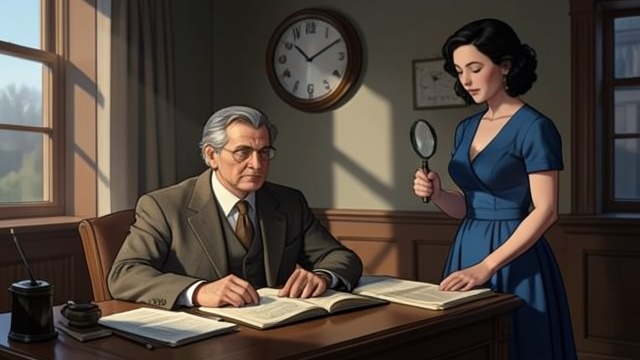
The files contain allegations against ex-husbands, jealous lovers, and local outlaws, but many claims trace back to unreliable informants. White sees that the abundance of leads has distracted investigators from proving any of them.
Corroboration as Method
White checks alibis and tests each account against independent details. The false claim that Rose Osage confessed to the murder is exposed, showing that someone has manufactured evidence to misdirect the Bureau.
A Confession Opens the Case

A Confession Opens the Case
Lawson’s Account
Burt Lawson claims that Ernest Burkhart and William K. Hale recruited him to bomb the Smith home. White reports the confession to Hoover, believing the account may finally establish a direct link.
A Dangerous Contradiction
Hale produces an apparent Texas alibi, and White realizes Lawson has lied about key facts. Rather than abandon the case, White turns to Irvin Thompson, whose testimony helps break Ernest’s silence.
From Investigation to Conviction
From Investigation to Conviction
A Case Reassembled
Ernest Burkhart confesses and identifies the roles of other participants. John Ramsey admits shooting Henry Roan, connecting Hale’s insurance scheme to a direct killing.
A Narrow Victory
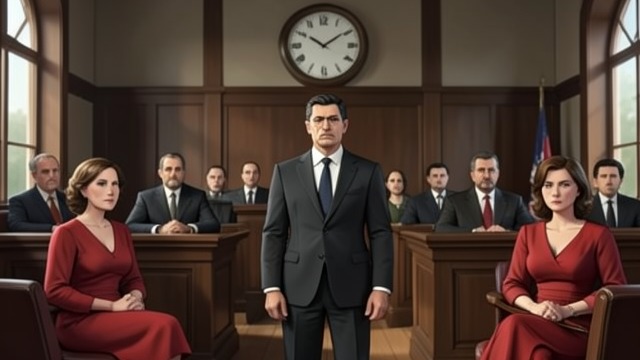
The trial process brings convictions despite recantations, intimidation, and a hung jury. White’s investigation succeeds in court, but many murders remain outside its proven case.
Summer 1925
July and August 1925
Summer 1925
October 1925
1926
